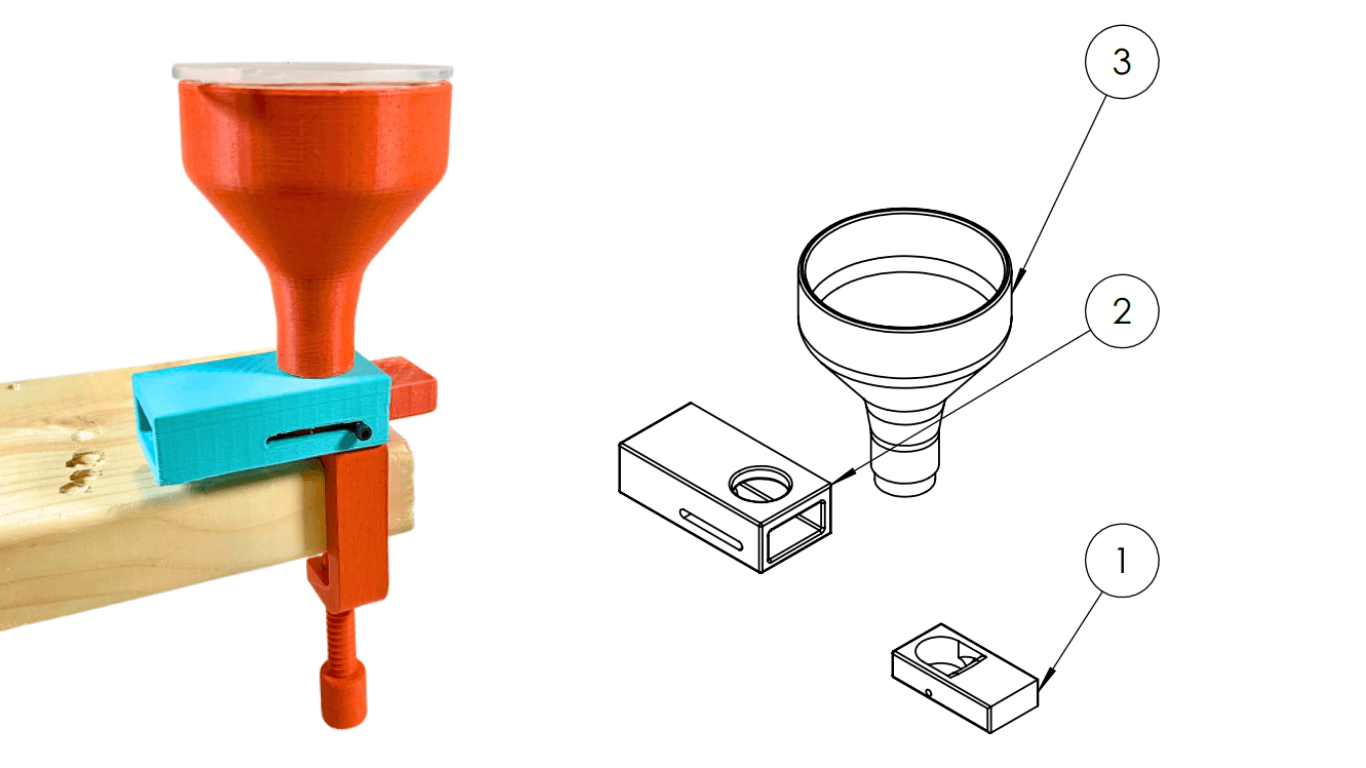
Oliver's Dog Treat Dispenser
Role:
UX Designer
Industry:
Assistive Technology
Problem
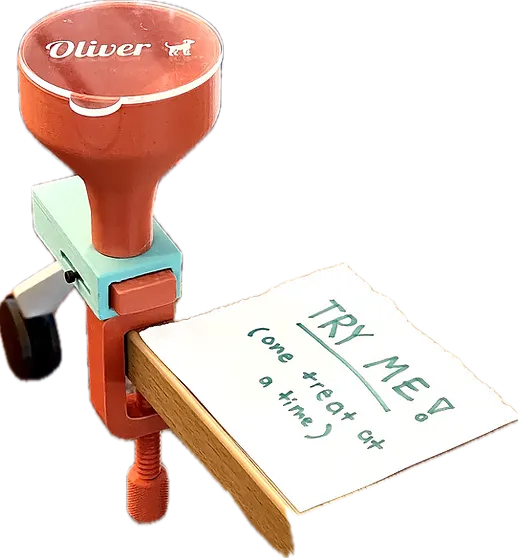
Most pet treat dispensers assume full hand strength, precise finger control, and unrestricted reach. For wheelchair users with limited mobility, these assumptions make routine interactions—such as rewarding a service animal—difficult or unreliable. Existing solutions also fail to prevent spills, accidental over-dispensing, and instability during daily use.
Approach
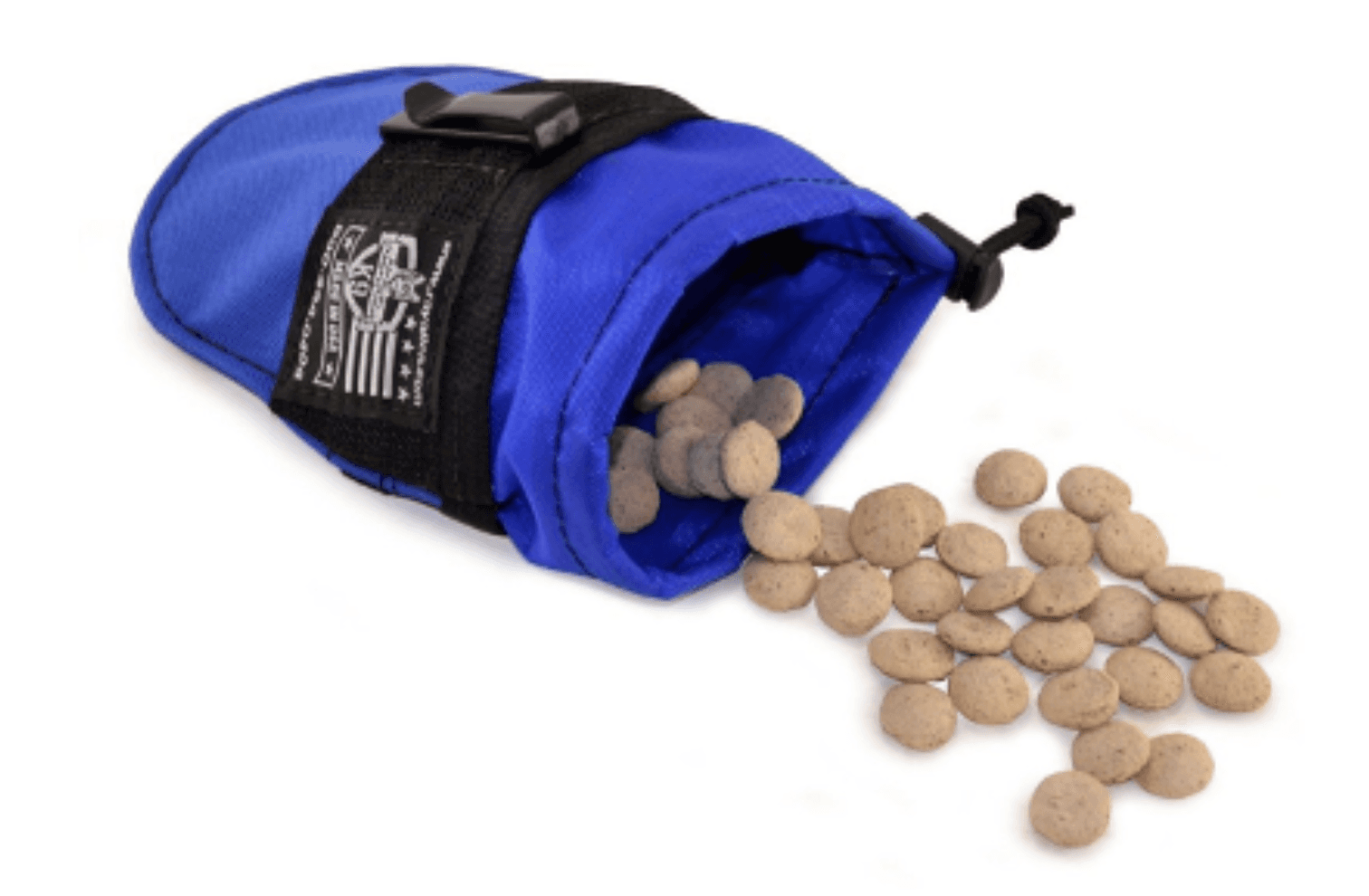
Conducted user interviews to understand physical constraints, daily routines, and failure points with current solutions
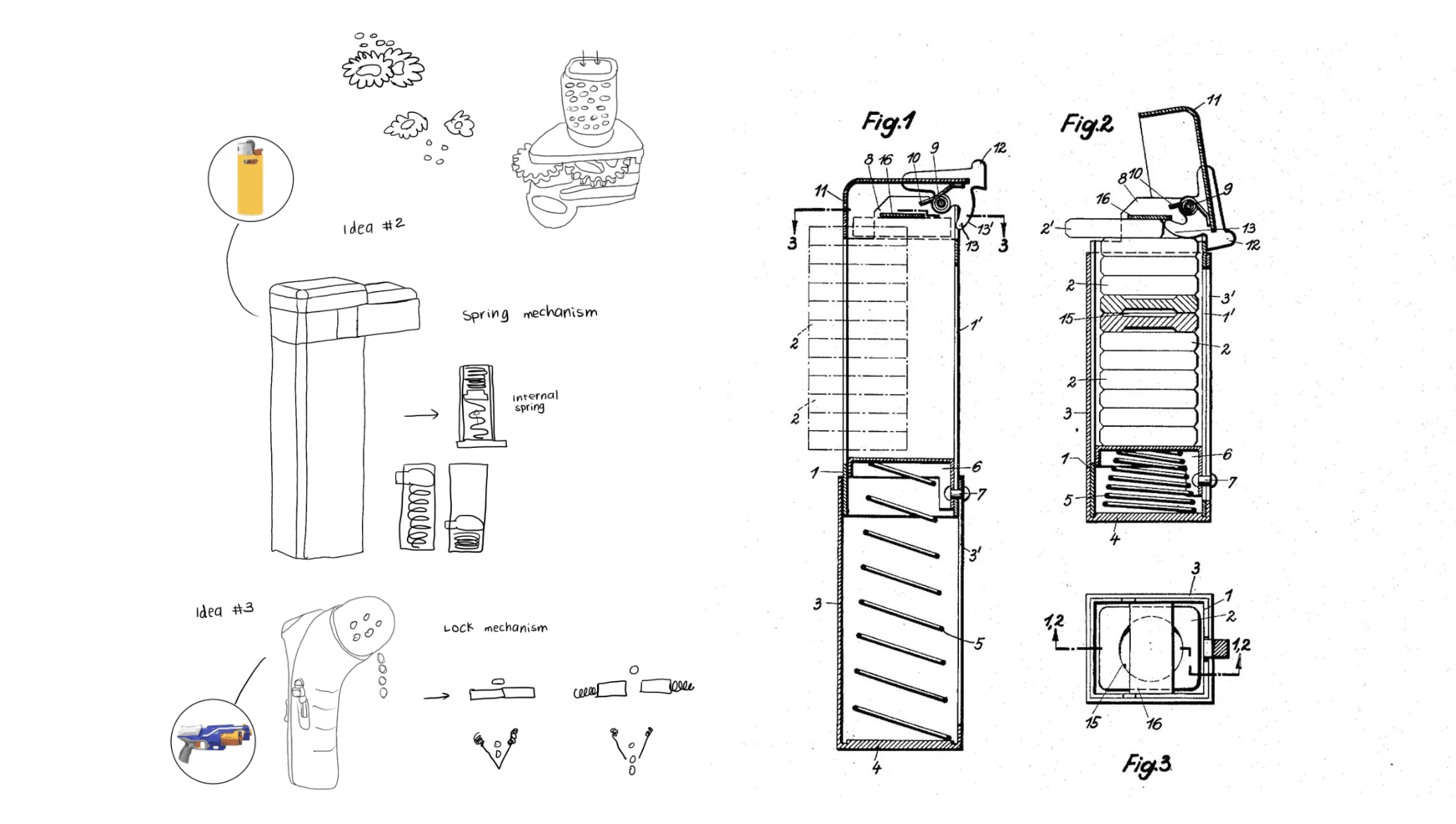
Analyzed existing dispensing products to identify effective mechanisms for incremental release and low-force activation
Defined core requirements: attachable, detachable, cleanable, and single-treat dispensing
Prioritized mechanical simplicity and reliability over feature complexity
Used iterative prototyping to test activation methods, stability, and treat flow
Execution
I led design and prototyping efforts, translating user needs into physical mechanisms and form factors through rapid iteration and testing.
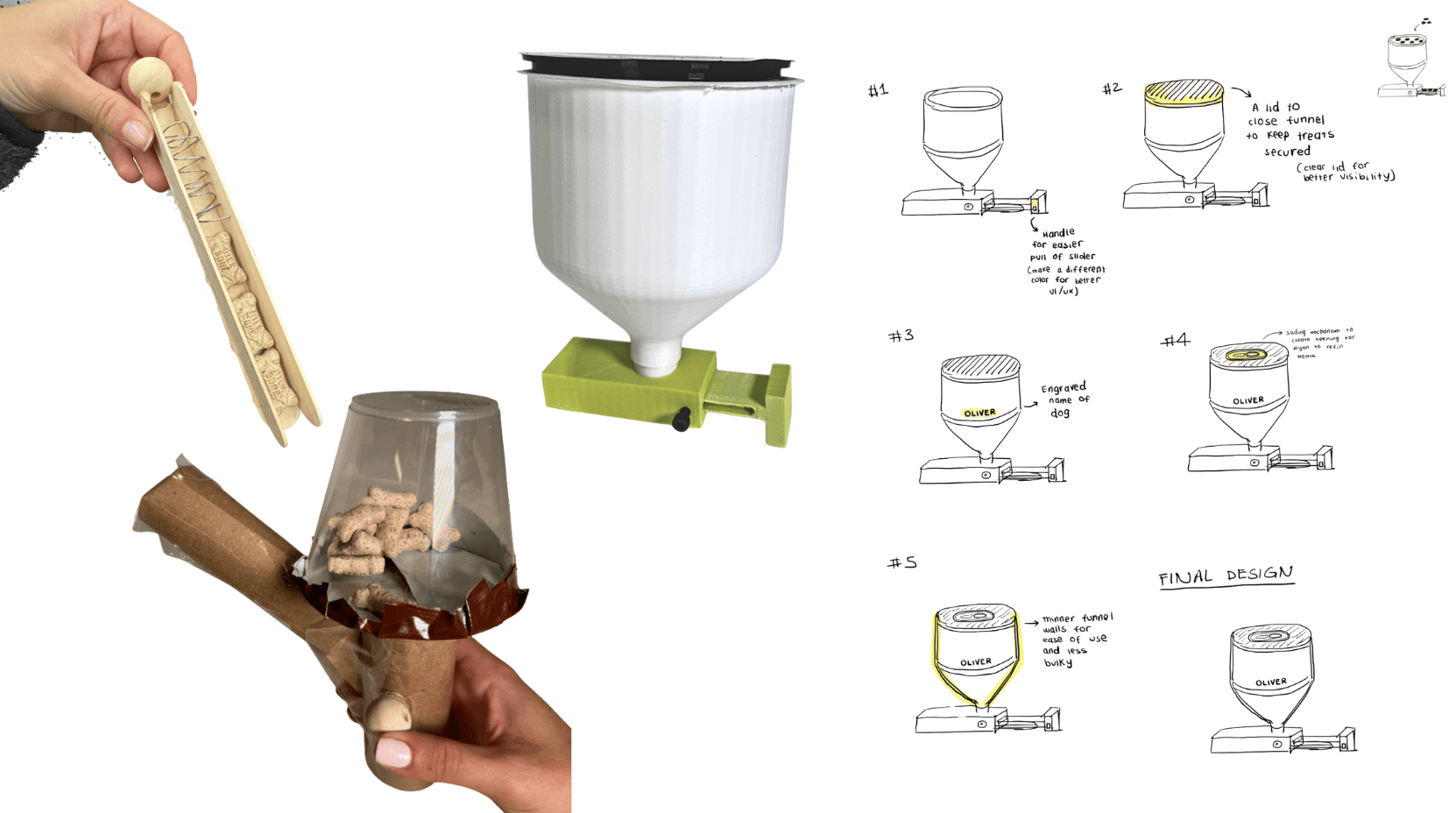
Designed and fabricated multiple low-fidelity physical prototypes to explore pinch-based and sliding dispensing mechanisms
Modeled mid-fidelity components in SOLIDWORKS, including internal funnels and sliders to control irregular treat shapes
Tested attachment concepts to improve stability when mounted to a wheelchair
Identified and corrected issues related to funnel size, slider friction, closure usability, and treat flow
Iterated designs based on direct user feedback and real-world handling
Impact
Delivered a functional assistive prototype enabling independent, one-handed treat dispensing
Reduced accidental over-dispensing through controlled, incremental release
Improved stability and portability by designing for wheelchair attachment
Demonstrated how low-cost, custom physical products can meaningfully improve daily accessibility
Applied human-centered design principles to a real, non-theoretical use case